Professional Structural Drying
Structural drying is critical after water damage. Moisture trapped in walls, subflooring, and structural cavities leads to mold growth and wood deterioration. Professional drying uses industrial equipment to remove moisture completely and prevent secondary damage.
Rapid drying prevents mold colonization, which begins within 24-48 hours of water exposure. Commercial dehumidifiers and air movers remove moisture from structural components. Continuous monitoring ensures complete drying and prevents equipment failure.
Professional drying protects your property and prevents costly long-term damage. Untreated moisture causes wood rot, structural deterioration, and mold growth that can require extensive repairs. Rapid professional drying minimizes damage and restores your home safely.
Drying Process
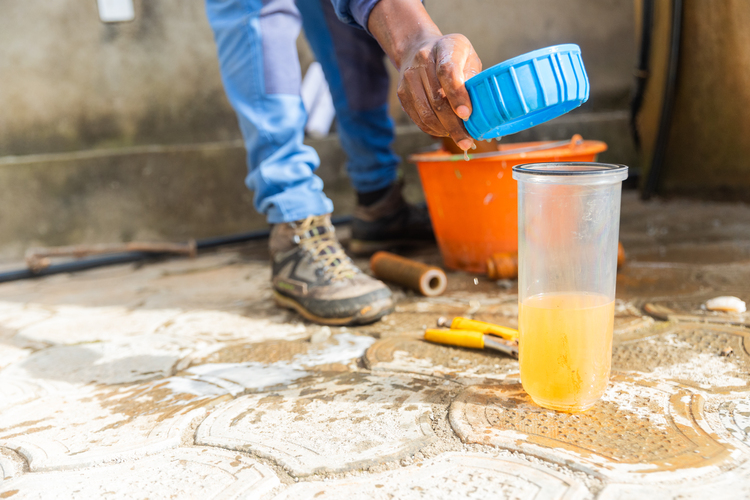
Moisture Assessment
Professional evaluation of moisture levels in all affected areas
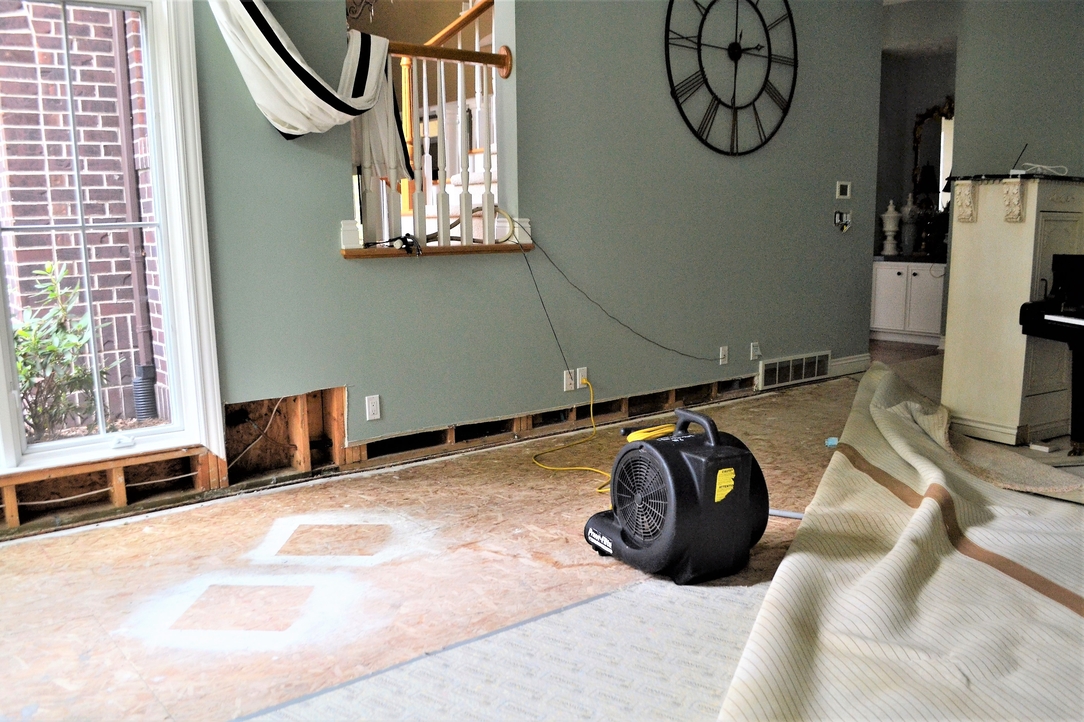
Equipment Deployment
Strategic placement of dehumidifiers and air movers for optimal drying
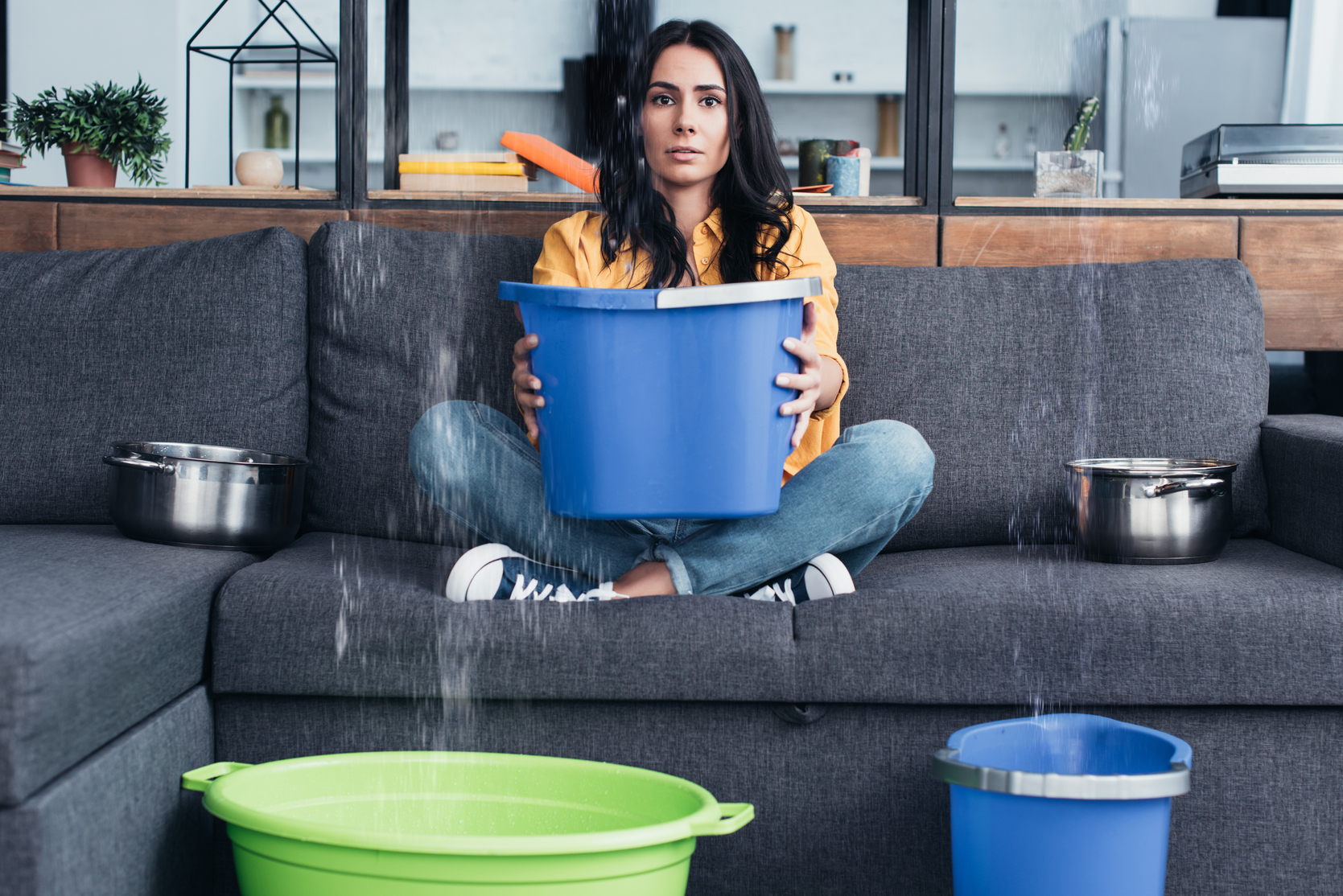
Continuous Monitoring
Regular moisture testing ensures complete structural drying
Moisture Detection and Monitoring
Professional drying requires accurate moisture detection to ensure complete water removal. Moisture meters measure moisture content in walls, subflooring, and structural materials. Thermal imaging identifies moisture pockets invisible to the naked eye. Continuous monitoring throughout the drying process ensures moisture levels decrease consistently. Professional providers establish baseline moisture readings and track progress daily. Complete drying is confirmed when moisture levels return to normal for your area and material type.
Hidden moisture is the primary cause of mold growth and structural damage. Moisture trapped behind walls or under flooring continues damaging materials long after visible water is removed. Professional moisture detection identifies and eliminates hidden moisture before it causes costly damage.
Drying Equipment and Technology
Professional structural drying uses specialized equipment designed for water damage restoration. Commercial dehumidifiers remove moisture from air and materials. Air movers circulate air to accelerate evaporation. Negative air machines create pressure differentials that pull moisture from structural cavities. Injectidry systems inject warm, dry air into wall cavities to dry from inside out. Professional providers select equipment based on damage extent and building characteristics. Proper equipment placement and configuration ensures efficient drying and prevents secondary damage.
Equipment deployment requires expertise and experience. Improper placement can create moisture pockets or cause structural damage. Professional providers understand air flow dynamics and moisture behavior. They deploy equipment strategically to maximize drying efficiency while protecting your property.
Why Professional Structural Drying Matters
- Rapid drying prevents mold growth and secondary damage
- Commercial equipment removes deep moisture from structural components
- Continuous monitoring ensures complete drying
- Prevents wood rot and structural deterioration
- Reduces long-term repair costs
- Protects property value and indoor air quality
Preventing Mold During Drying
Mold prevention during structural drying requires rapid response and proper equipment deployment. Mold colonies can begin growing within 24-48 hours of water exposure. Professional providers deploy drying equipment immediately after water removal. Continuous monitoring ensures moisture levels decrease consistently. Antimicrobial treatments applied during drying prevent mold colonization. Complete drying within 48-72 hours significantly reduces mold risk. Professional expertise ensures mold prevention throughout the drying process.
Mold growth creates health risks and requires expensive remediation. Professional structural drying prevents mold growth and protects your family's health. Rapid, professional drying is the most effective mold prevention strategy.
Structural Drying Documentation
Professional structural drying documentation supports insurance claims and provides proof of restoration work. Detailed moisture readings, equipment logs, and before/after photos document the drying process. Professional providers maintain comprehensive records throughout drying. Detailed documentation supports insurance claims and ensures you receive maximum coverage. Professional providers provide detailed invoices and reports for insurance coordination.
Complete documentation protects your interests and supports insurance claims. Professional providers understand documentation requirements and maintain detailed records. Transparent communication and documentation ensure you understand the drying process and restoration costs.
Frequently Asked Questions
Need Structural Drying?
Connect with vetted service providers for rapid structural drying and moisture removal. Available 7:00 AM - 8:00 PM (Mon-Sun).
Call Now (678) 502-7647