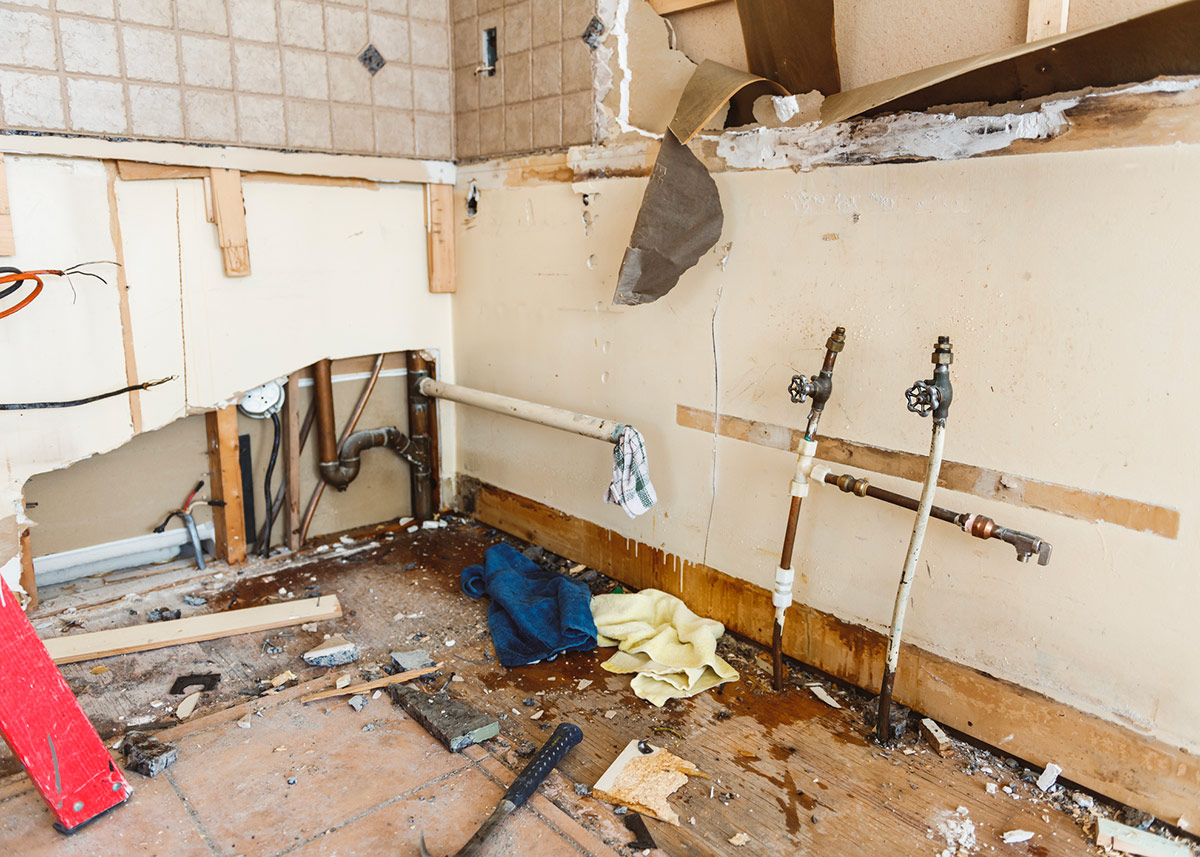
Hidden water damage in basements is one of the most dangerous problems facing Roswell homeowners. Unlike visible water damage from flooding, hidden water damage develops slowly and silently, often going unnoticed until it causes significant structural damage and mold growth. This comprehensive guide explains how to identify hidden water damage before it becomes catastrophic.
Understanding Hidden Water Damage
Hidden water damage develops from slow water seepage, groundwater intrusion, or condensation that damages materials without obvious water. Water enters through tiny foundation cracks, around basement windows, or through the foundation-floor joint. Once inside, it wicks up into walls and framing, causing damage that's not immediately visible. Roswell's humid climate compounds the problem—condensation from high humidity creates moisture that slowly damages materials. This slow water intrusion can continue for months or years before becoming noticeable, causing significant structural damage and mold growth.
Early Warning Signs
The earliest signs of hidden water damage are often subtle but important:
- Musty Odors: A faint musty smell indicates moisture and potential mold growth. This is often the first sign of hidden water damage.
- Increased Humidity: Basements should maintain 30-50% humidity. Higher humidity indicates moisture problems.
- Condensation: Condensation on windows, pipes, or walls indicates high humidity and moisture problems.
- Slight Discoloration: Subtle color changes in concrete, drywall, or wood indicate moisture absorption.
- Dampness: Feeling dampness in the air or on surfaces indicates moisture problems.
Visible Signs of Water Damage
More obvious signs indicate more advanced water damage:
- Water Stains: Brown or yellow stains on walls, floors, or ceilings indicate past or ongoing water intrusion.
- Efflorescence: White mineral deposits on concrete indicate water has passed through the concrete, leaving minerals behind.
- Peeling Paint or Wallpaper: Paint and wallpaper peel when moisture gets behind them.
- Soft or Warped Wood: Wood becomes soft and warped when saturated with water. This indicates structural damage.
- Visible Mold or Mildew: Black or green mold growth indicates moisture and mold colonization.
- Rust on Metal Components: Rust on pipes, fasteners, or structural steel indicates moisture exposure.
Structural Damage from Hidden Water
Hidden water causes serious structural damage over time:
- Wood Rot: Water causes wood to rot, reducing structural strength. Rotted framing members may need replacement.
- Concrete Deterioration: Water causes concrete to deteriorate, reducing structural integrity and allowing more water intrusion.
- Foundation Damage: Water intrusion through foundations causes cracks and structural failure.
- Insulation Damage: Wet insulation loses effectiveness and promotes mold growth.
- Electrical Hazards: Water damage to electrical systems creates fire hazards and shock risks.
Mold Growth from Hidden Water
Hidden water damage is a primary cause of mold growth in basements. Mold colonizes within 24-48 hours of water exposure in Roswell's humid climate. Hidden moisture in walls and cavities creates ideal mold growth conditions. Mold can grow for months undetected, spreading throughout the basement and potentially into living spaces above. Mold causes health problems including respiratory issues, allergies, and asthma. This is why detecting and addressing hidden water damage immediately is critical.
Why Roswell Basements Are Vulnerable
Roswell's geography and climate create specific basement vulnerabilities. The area's high water table means groundwater pressure pushes water into basements. Roswell's humid subtropical climate means outdoor humidity is often 60-80%, and condensation forms on cool basement surfaces. Spring rainfall and river flooding increase water intrusion risk. Many Roswell homes have older basements with aging foundations and deteriorating waterproofing. These factors combine to make Roswell basements particularly vulnerable to hidden water damage.
Detection Methods
Professional detection methods identify hidden water damage:
- Moisture Meters: Measure moisture content in materials to identify wet areas.
- Thermal Imaging: Identify cold spots indicating moisture and water intrusion.
- Visual Inspection: Identify water stains, mold, and structural damage.
- Humidity Monitoring: Assess humidity levels and moisture conditions.
- Foundation Assessment: Inspect for cracks, water stains, and water intrusion.
Prevention Strategies
Prevent hidden water damage through:
- Proper Grading: Direct water away from foundations through proper landscape grading.
- French Drains: Install French drains to manage groundwater and prevent basement intrusion.
- Foundation Sealing: Seal cracks and gaps in foundations to prevent water intrusion.
- Sump Pump Installation: Install and maintain sump pumps to remove basement water.
- Dehumidification: Install dehumidifiers to manage basement humidity.
- Proper Ventilation: Ensure adequate ventilation to prevent condensation.
- Regular Inspection: Inspect basements monthly for signs of moisture.
When to Call a Professional
Contact a water damage professional immediately if you notice any signs of hidden water damage. Early professional assessment prevents minor moisture problems from becoming major water damage. Professionals can identify the source of water intrusion and recommend appropriate solutions. They can assess structural damage and recommend repairs. They can identify mold growth and recommend remediation. Professional restoration ensures complete water removal and prevents future problems.
Conclusion
Hidden water damage in Roswell basements is a serious problem that requires prompt attention. Early detection of subtle signs like musty odors, increased humidity, and slight discoloration prevents hidden damage from becoming catastrophic. Regular basement inspections, proper preventative maintenance, and professional assessment when problems are suspected protect your home's structural integrity and your family's health. Don't ignore subtle signs of moisture—call a professional immediately for assessment and restoration.