Mold growth after water damage is one of the most serious consequences of water intrusion in Roswell homes. Understanding how quickly mold grows and what you can do to prevent it is critical for protecting your home and family. This comprehensive guide explains the mold growth timeline and prevention strategies specific to Roswell's climate.
The Mold Growth Timeline
Mold growth follows a predictable timeline after water exposure:
- 0-24 Hours: Mold spores begin germinating. No visible mold yet, but colonization is starting.
- 24-48 Hours: Mold begins active growth. Still not visible to the naked eye, but microscopic colonies are expanding.
- 3-7 Days: Visible mold growth appears. Colonies are large enough to see as black, green, or white spots.
- 1-2 Weeks: Mold spreads to adjacent materials. Colonies expand rapidly in Roswell's humid climate.
- 2-4 Weeks: Extensive mold colonization. Mold spreads through walls and cavities. Air quality is affected.
- 1+ Months: Severe mold contamination. Structural damage occurs. Health problems develop.
Why Roswell's Climate Accelerates Mold Growth
Roswell's humid subtropical climate creates ideal conditions for rapid mold growth. The area experiences:
- High Humidity: Average humidity of 60-80% provides moisture for mold growth.
- Warm Temperatures: Temperatures between 60-80°F are ideal for mold colonization.
- Significant Rainfall: 52 inches annually increases water damage frequency.
- Year-Round Moisture: Humidity persists throughout the year, even in winter.
- Condensation: Temperature differences create condensation that provides moisture for mold.
These factors combine to create an environment where mold grows 2-3 times faster than in drier climates. This makes immediate water removal absolutely critical in Roswell.
Critical 24-48 Hour Window
The first 24-48 hours after water damage are absolutely critical for mold prevention. During this window, you must:
- Remove Standing Water: Use pumps or wet vacuums to remove all standing water immediately.
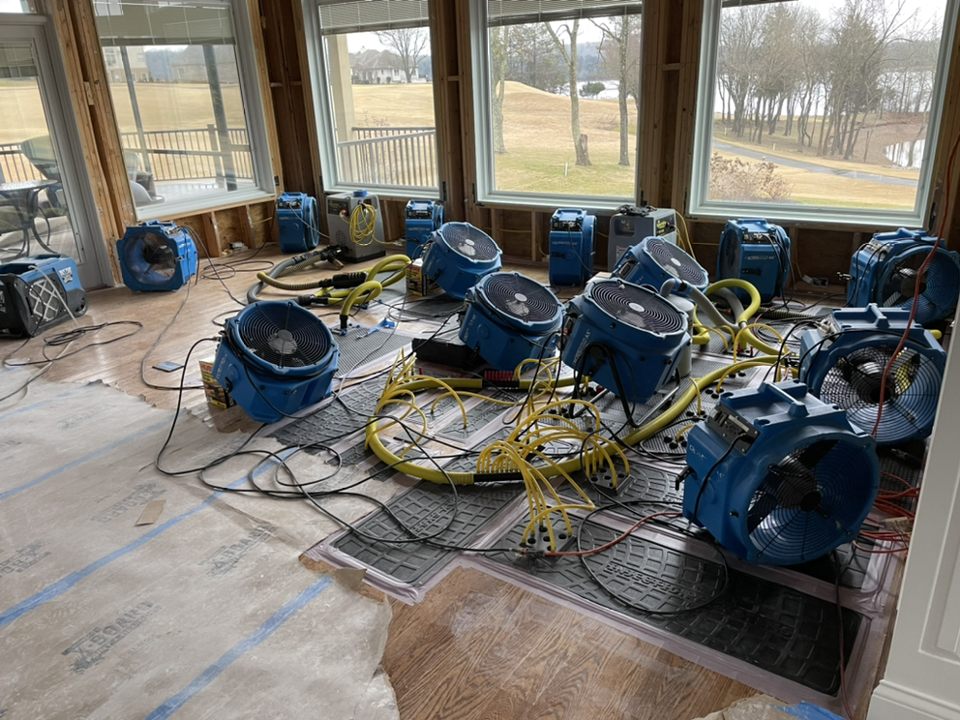
- Dry Affected Areas: Use fans, dehumidifiers, and open windows to dry materials completely.
- Remove Wet Materials: Remove drywall, insulation, and other materials that are saturated and cannot be dried.
- Increase Air Circulation: Open windows and use fans to promote drying and prevent mold germination.
- Control Humidity: Use dehumidifiers to reduce humidity below 50%.
If you complete water removal and drying within 24-48 hours, you can prevent most mold growth. Waiting longer significantly increases mold risk.
Conditions That Promote Mold Growth
Mold thrives when certain conditions are present:
- Moisture: Mold requires moisture to grow. Humidity above 50% or wet materials provide moisture.
- Organic Materials: Mold feeds on organic materials including wood, drywall, insulation, and carpet.
- Darkness: Mold grows in dark areas. Basements, crawl spaces, and inside walls are particularly vulnerable.
- Warmth: Temperatures between 60-80°F are ideal. Roswell's climate provides these temperatures year-round.
- Poor Ventilation: Stagnant air traps moisture and promotes mold growth.
Health Effects of Mold Exposure
Mold exposure causes various health problems:
- Respiratory Issues: Coughing, wheezing, and shortness of breath.
- Allergic Reactions: Sneezing, runny nose, and itchy eyes.
- Asthma Attacks: Mold triggers asthma in susceptible individuals.
- Immune Suppression: Prolonged exposure weakens the immune system.
- Infections: Mold infections can develop in susceptible individuals.
Children, elderly people, and those with existing respiratory conditions are particularly vulnerable. This is why mold prevention and remediation are critical for family health.
Mold Prevention Strategies
Prevent mold growth through these strategies:
- Control Humidity: Maintain indoor humidity between 30-50% using dehumidifiers and proper ventilation.
- Ensure Ventilation: Proper ventilation removes moisture and prevents condensation.
- Remove Water Immediately: Address water damage within 24-48 hours to prevent mold germination.
- Dry Materials Completely: Use fans, dehumidifiers, and open windows to dry affected areas.
- Use Moisture-Resistant Materials: Install moisture-resistant drywall and insulation in bathrooms and basements.
- Maintain HVAC Systems: Regular HVAC maintenance ensures proper humidity control and air circulation.
- Address Water Intrusion: Fix leaks, improve drainage, and seal foundation cracks to prevent water damage.
When to Call a Professional
Call a professional immediately if you notice:
- Visible mold growth
- Musty odors indicating mold
- Water damage affecting more than 100 square feet
- Water damage in HVAC systems or hidden areas
- Mold in areas you cannot safely access
- Health problems related to potential mold exposure
Professional Mold Remediation
Professional mold remediation includes:
- Assessment: Identify all mold and moisture sources using specialized equipment.
- Containment: Prevent mold spores from spreading to unaffected areas.
- Removal: Remove all mold and contaminated materials.
- Cleaning: Clean affected areas with antimicrobial solutions.
- Drying: Use professional equipment to dry materials completely.
- Prevention: Address moisture sources to prevent recurrence.
Conclusion
Mold growth after water damage is a serious problem that requires immediate action. In Roswell's humid climate, mold can become visible within 3-7 days of water exposure. The critical 24-48 hour window after water damage is your best opportunity to prevent mold growth. Immediate water removal, complete drying, and humidity control prevent most mold problems. If mold does develop, professional remediation ensures complete removal and prevents health risks. Don't delay—address water damage immediately and call a professional if you suspect mold growth.